
Signs It’s Time to Seal Your Asphalt Surface
Noticing cracks, fading color, or water pooling are signs it’s time to seal your asphalt surface, and local contractors can help protect and extend its lifespan.
If your asphalt surface is showing signs of aging or wear, it might be time to consider sealing. Property owners in the area often notice issues such as cracks, fading color, or a rough texture that can indicate the surface’s protective layer is compromised. Recognizing these signs early can help maintain the integrity and appearance of the pavement, preventing more extensive damage down the line. Local contractors who specialize in asphalt surface sealing can assess these indicators and recommend the best course of action to preserve your investment.
Understanding when to seal your asphalt surface is essential for keeping it in top condition. Common signals include the presence of small cracks, surface oxidation, or areas where water tends to pool. Addressing these issues promptly with professional sealing services can extend the lifespan of the pavement and improve its overall look. Service providers in the area are equipped to evaluate these signs and provide tailored solutions that help property owners protect their surfaces effectively. Keep reading to learn more about how to identify the right time for sealing and why it matters.
- Asphalt driveway sealing services are recommended when surface cracks or surface wear become visible, with local contractors assessing the extent of damage to determine if sealing is appropriate. Parking lot sealing is often needed when existing surfaces show signs of fading, oil stains, or minor deterioration, and local service providers evaluate the surface condition to recommend sealing. Residential asphalt surfaces that develop a dull or faded appearance may benefit from sealing, with local pros applying protective coatings to restore and preserve the surface. When surface water begins to pool or drain poorly, sealing can help improve surface integrity, and local contractors inspect drainage issues to advise on sealing needs. Cracks larger than a quarter-inch or areas with surface erosion signal the need for sealing, with local pros addressing these issues to extend the asphalt’s lifespan.
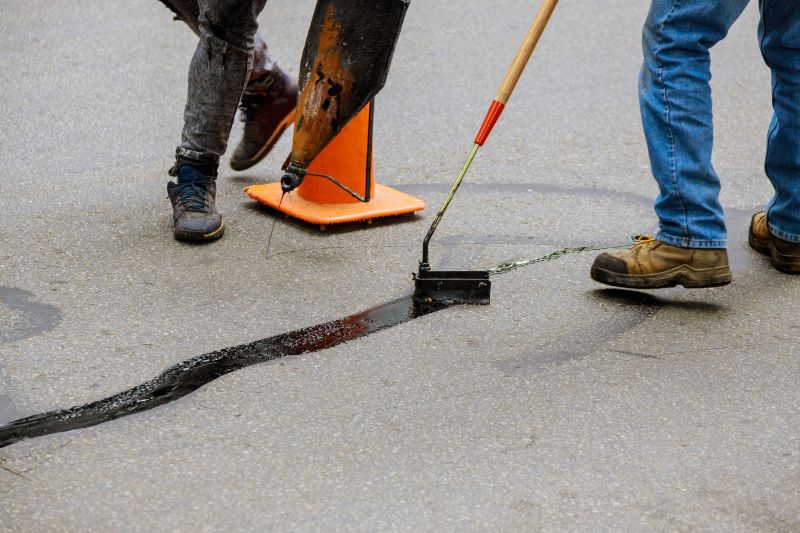
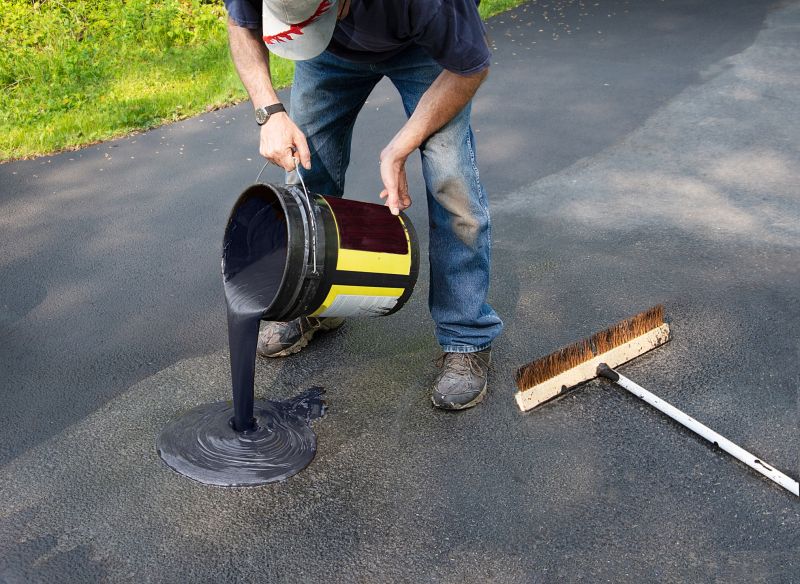
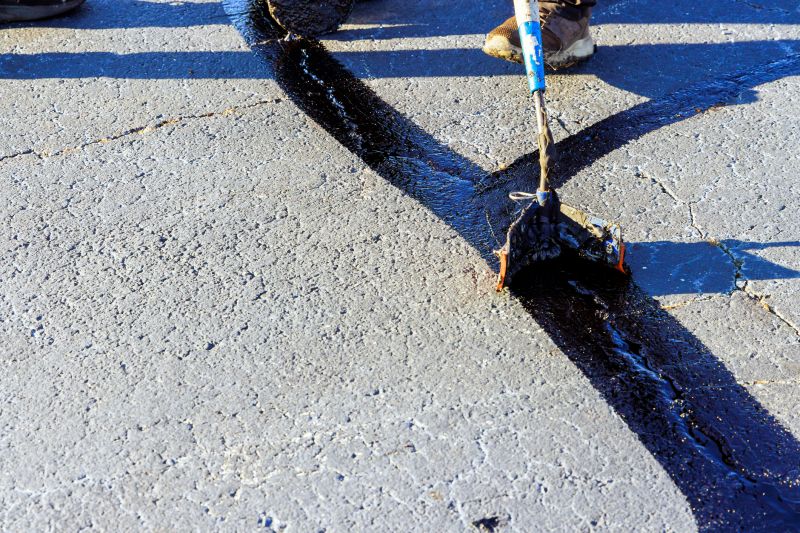
When homeowners search for signs it’s time to seal their asphalt surface, they are usually looking for practical indicators that their driveway, parking lot, or other paved areas need maintenance. Over time, asphalt surfaces naturally experience wear and tear from exposure to weather, foot traffic, and vehicle use. Recognizable signs include the appearance of surface cracks, fading color, and the development of small potholes or ruts. These issues often suggest that the asphalt’s protective layer is deteriorating, making sealing a necessary step to preserve the surface’s integrity and appearance. Recognizing these signs early can help prevent more extensive damage, which might require costly repairs or complete replacement.
This topic is closely related to property maintenance and planning for long-term durability. For property owners, understanding when to seal an asphalt surface is part of a proactive approach to upkeep. It relates to addressing problems like surface cracking, water infiltration, and surface erosion that can accelerate deterioration. Many property owners plan sealing projects as part of regular maintenance schedules to extend the lifespan of their paved areas. Additionally, those preparing to sell a property or improve curb appeal often consider sealing as a way to refresh the surface’s look and protect their investment. Local service providers who specialize in asphalt sealing can evaluate the condition of a surface and recommend the appropriate timing for sealing to keep it in top condition.
The types of properties that typically come up in discussions about sealing asphalt include residential driveways, commercial parking lots, and community or recreational areas. Residential properties often have driveways that show signs of wear after several years, especially in regions with harsh weather conditions. Commercial properties, such as retail centers or office complexes, rely on well-maintained parking lots to create a positive first impression and avoid liability issues caused by surface damage. Public spaces like parks or sports courts also benefit from sealing to ensure safety and longevity. These properties tend to have high traffic volumes, which can accelerate asphalt deterioration, making timely sealing an important consideration for property owners or managers.
Local asphalt surface sealing professionals play a key role in helping property owners determine the right time for sealing their surfaces. These service providers can assess the condition of the asphalt, identify early signs of damage, and recommend the best course of action. They understand how different environmental factors and usage patterns impact the lifespan of asphalt surfaces in specific areas. By working with experienced local contractors, property owners gain access to expert advice and quality sealing services that help protect their investment. Proper sealing not only improves the appearance of the surface but also provides a protective barrier that can extend its functional life, making it a vital part of ongoing property maintenance.
Paving repair projects - these involve fixing cracks and potholes that can indicate the need for sealing to prevent further damage, making them related to asphalt surface maintenance.
Driveway resurfacing - this process often includes sealing to improve durability and appearance, requiring similar planning and surface preparation skills as asphalt sealing.
Parking lot maintenance - maintaining commercial or residential parking areas involves sealing to extend surface life and prevent deterioration, aligning with asphalt surface sealing services.
Crack filling services - filling and sealing cracks is a key step before applying a surface sealant, and local contractors skilled in crack repair are well-versed in asphalt surface care.
Asphalt patching projects - patching involves preparing the surface for sealing, which can help protect patched areas and prolong the life of the asphalt surface.
Surface cleaning and preparation - thorough cleaning and surface prep are essential steps before sealing, making these skills relevant to local contractors specializing in asphalt surface maintenance.
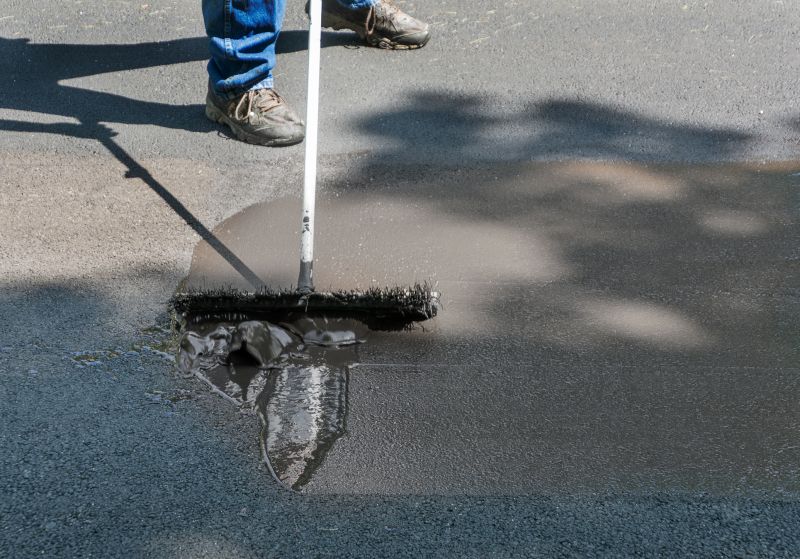
When comparing local contractors for asphalt surface sealing, it is important to consider their experience with similar projects. Homeowners should inquire about how long a service provider has been working with asphalt surfaces and whether they have handled projects comparable in size and scope. Contractors with a proven track record of sealing residential driveways or parking areas can often demonstrate familiarity with the specific signs that indicate it’s time to seal, such as cracks or surface deterioration. This experience can help ensure that the work is performed effectively and that the contractor understands the nuances of asphalt maintenance.
Clear written expectations are essential when evaluating service providers. Homeowners should seek detailed information about what the sealing process entails, including surface preparation, the type of sealant used, and the expected results. A reputable contractor will be able to provide a transparent outline of the work involved, helping homeowners understand what to expect and avoid misunderstandings. Having these expectations documented can also facilitate smoother communication throughout the project, ensuring that both parties are aligned on the scope and standards of the work.
Good communication and reputable references play a vital role in choosing the right asphalt sealing contractor. Homeowners are encouraged to ask for references from previous clients who had similar work done, as this can provide insight into the contractor’s reliability and quality of service. Additionally, responsive and clear communication from the service provider-such as prompt answers to questions and an openness to discuss project details-can be indicative of a professional approach. When local contractors prioritize transparent dialogue and demonstrate a history of satisfied clients, it can help build confidence that the project will be handled competently and with attention to detail.
Property owners often search for signs it’s time to seal your asphalt surface when they are planning practical projects around their homes and businesses. Local pros provide Asphalt Surface Sealing services for everyday jobs and straightforward project options.
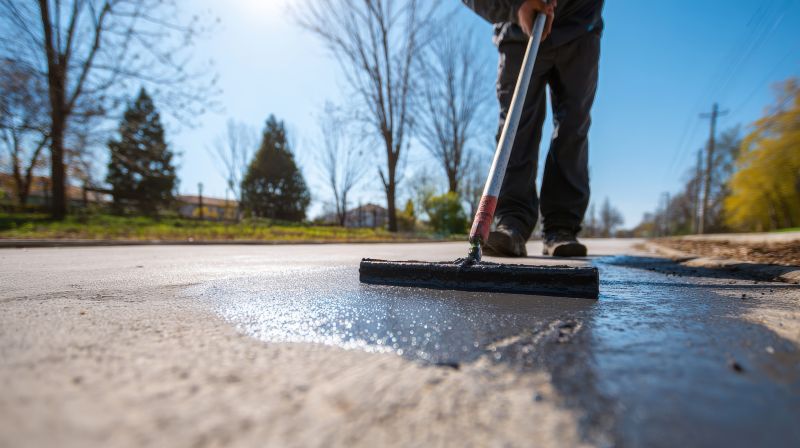
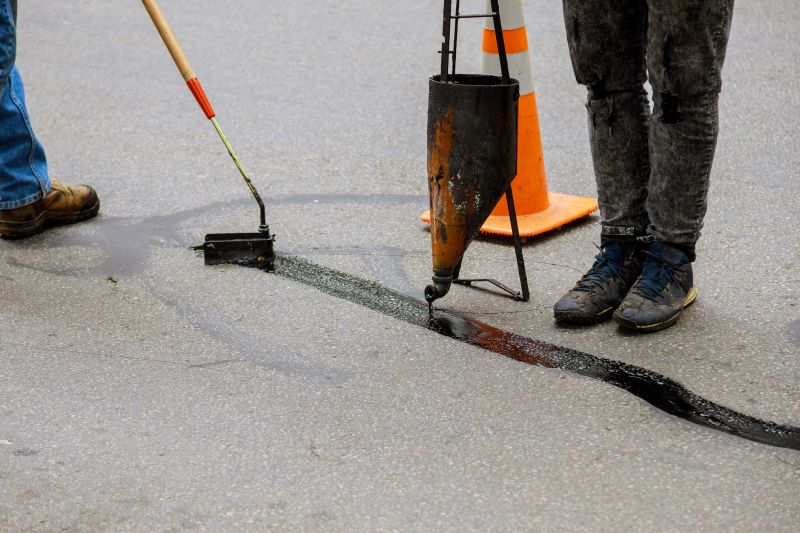
Property owners often notice signs it’s time to seal their asphalt surface when the surface begins to show visible cracks or fading color. Over time, exposure to sun, rain, and regular use can cause asphalt to deteriorate, leading to small cracks that, if left untreated, may expand and result in potholes or more extensive damage. When these signs appear, seeking the help of local contractors who specialize in asphalt sealing can help protect the surface and extend its lifespan, maintaining a smooth and safe area for vehicles and pedestrians.
Another common indicator is the presence of surface oxidation or a dull, worn appearance. This usually happens after years of weathering, making the asphalt look faded and less vibrant. Additionally, pooling water or poor drainage can be a sign that the surface’s protective layer has weakened. In such cases, professional asphalt sealing services offered by local service providers can restore the surface’s integrity, prevent further damage, and improve curb appeal. Recognizing these signs early can help property owners decide when sealing is a practical step to preserve their asphalt investment.
What are common signs that indicate it’s time to seal an asphalt surface? Visible cracks, surface fading, and water pooling are common signs it’s time to seal your asphalt surface, as these issues can lead to further damage if left unaddressed.
How does surface fading suggest sealing is needed? Surface fading or loss of color often indicates the asphalt’s protective layer has worn down, making it more vulnerable to weather and wear, which may warrant sealing by local contractors.
Can cracks in asphalt mean it’s time to seal? While small cracks can be repaired, widespread or deep cracks may signal that sealing is necessary to prevent further deterioration and preserve the surface’s integrity.
Is water pooling on the surface a sign to consider sealing? Yes, water pooling or poor drainage can accelerate damage, and sealing can help improve surface protection against water infiltration when performed by local service providers.
Why should I consider sealing if I notice surface deterioration? Surface deterioration, such as surface roughness or minor damage, can often be mitigated with sealing, which helps extend the lifespan of the asphalt surface when handled by experienced local contractors.
Visible surface cracks - When cracks begin to appear on the asphalt surface, sealing can help prevent further deterioration and water damage. Property owners can schedule sealing services with local contractors to address these issues early.
Fading or discoloration - Asphalt that has lost its dark, uniform color may benefit from sealing to restore its appearance and provide added protection. Local pros can apply sealant to refresh the surface and extend its lifespan.
Pooling water or poor drainage - Areas where water tends to collect or drain poorly indicate the need for sealing and surface repairs. Sealing by local service providers can improve runoff and protect the asphalt from water damage.
Surface erosion or loose aggregate - When the top layer starts to erode or aggregate becomes loose, sealing can help stabilize the surface and prevent further wear. Professionals can evaluate and perform sealing to maintain the integrity of the asphalt.
If you are thinking about signs it’s time to seal your asphalt surface for a property, this guide is meant to help you understand this topic, the typical project types, and how different options might fit your plans.
When you are ready, you can use the quote form on this page to share a few details about your project. From there, local pros can review the basics and follow up with options that match what you have in mind.